How to Read Tarot Cards for Beginners?
If you’re brand new to tarot cards, that full 78-card deck can feel intimidating at first glance. Many new learners fall into the trap of thinking they need to memorize every single card definition before they can start. Tarot is actually a reflective tool. A reading works by looking at the mix of cards you draw, picking out recurring themes, and stitching individual card meanings into a story that fits your own situation.
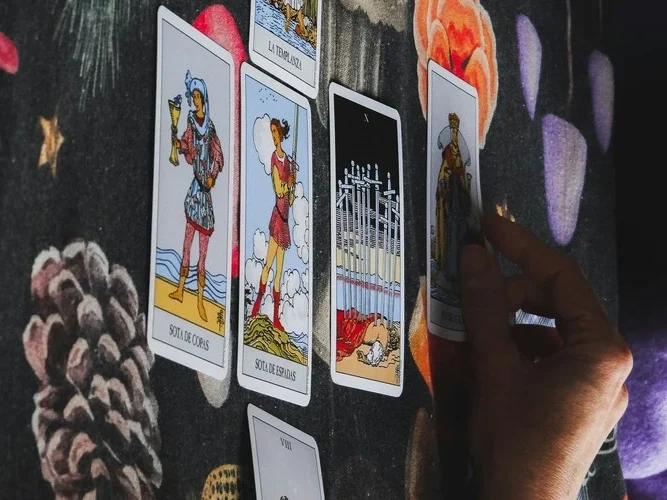
You don’t need to master every card all at once. One simple habit that works wonders is a daily one-card pull. Set aside a quiet moment each morning to draw just one card. Take time to really look at its artwork and imagery. You can use trusted learning resources to unpack its core message, then keep that card’s lesson in mind as you go about your day. This slow, repeated practice helps you build a genuine personal bond with your deck, instead of cramming dry definitions.
What Is Tarot? Basic Structure & Core Concepts
Tarot is a symbolic deck made up of 78 illustrated cards, widely used for self-reflection and gentle guidance. A standard tarot set splits into two core groups: the 22 Major Arcana and the 56 Minor Arcana. The Major Arcana covers life-changing milestones, big transformations and universal spiritual lessons, with well-known cards like The Fool and The World. The Minor Arcana focuses on day-to-day moments, separated into four suits: Wands, Cups, Swords and Pentacles, each tied to different areas of daily life.
Many new learners mistakenly believe tarot predicts a fixed future. In reality, it does not tell you what will definitely happen. Instead, the artwork and symbols on each card help you see hidden perspectives, unpack your feelings, and weigh up different choices. Readers lay cards in layouts called spreads, and interpret the combined meaning of drawn cards to gain clearer insight.
Learn more about tarot cards
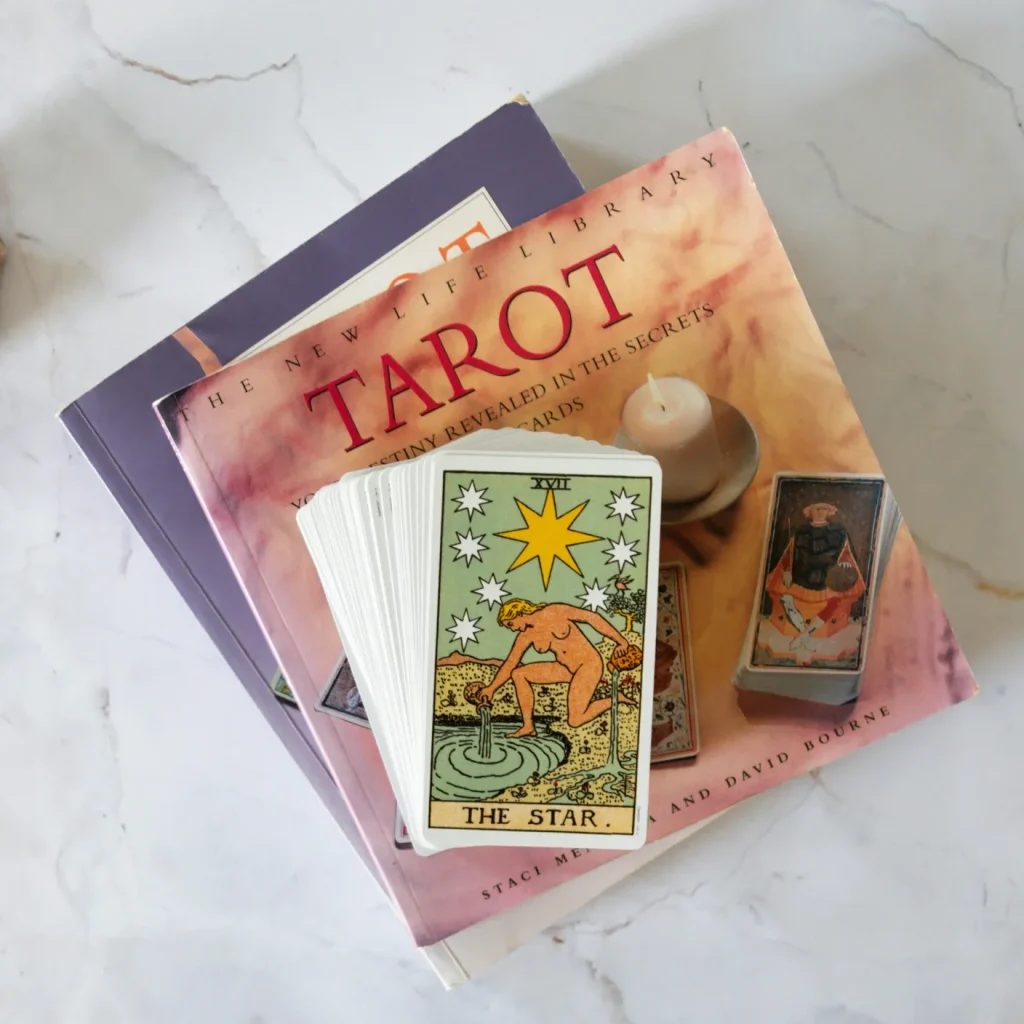
Tarot Cards & Oracle Cards
Specialized in crafting premium tarot and oracle decks for spiritual creators.
Create a Calming Space for Your Tarot Reading
Your mood and surroundings shape your tarot practice. There is no rigid, mandatory ritual you have to follow. The best routine is whatever feels natural for you.
Lots of readers prefer a quiet, comfortable spot before starting a reading. Lighting candles, burning gentle incense, or setting a clear intention can help ground you. It’s just as important to quiet your racing thoughts beforehand. Take a few deep breaths to set aside daily worries. When your mind is calm, it’s much easier to focus and tune into the insights your cards bring.
How to Cleanse Your Tarot Deck
Many tarot lovers choose to cleanse their deck before readings, especially after a heavy, emotionally charged reading session. There are plenty of gentle ways you can try this.
You can pass the deck through herb smoke, place it next to your favourite crystals, or leave it out under moonlight or soft sunlight. A super quick trick is tapping the top of the deck three times with your knuckles before shuffling.
Cleansing is totally optional, not a rule. Tarot reading doesn’t depend on these rituals. These practices simply help quiet mental clutter and help you connect better with your deck, if that works for your style of practice.
How to Shuffle Tarot Cards
There are dozens of old myths about the “right” way to shuffle tarot cards. You can follow traditional techniques if you enjoy them, but what truly matters is your intention while shuffling.
Shuffling is your chance to slow down and centre yourself. Focus on your breath, hold your question gently in your mind, and open yourself up to receive guidance. There is no correct way to mix the cards, as long as you feel connected to your deck.
The Best Questions to Ask During a Tarot Reading
Tarot shines brightest with open-ended questions. It cannot give simple yes-or-no answers. Instead, it offers fresh perspective, reveals hidden patterns, and helps you weigh your choices.
Great beginner questions include:
- What patterns in my life no longer serve me?
- What step should I take right now?
- Which area of my life deserves more attention?
- What personal qualities should I nurture at this moment?
- What does this relationship need to grow and heal?
A simple go-to prompt: What do I most need to know right now? Draw one or two cards and reflect on what they reveal.
How to Interpret Tarot Cards
Intuition sits at the heart of tarot interpretation. Think of tarot as a tool to explore your own thoughts and circumstances, not a source of hidden secret knowledge. You already have the ability to understand these cards; interpretation is about building connections between the artwork and your real-life experience.
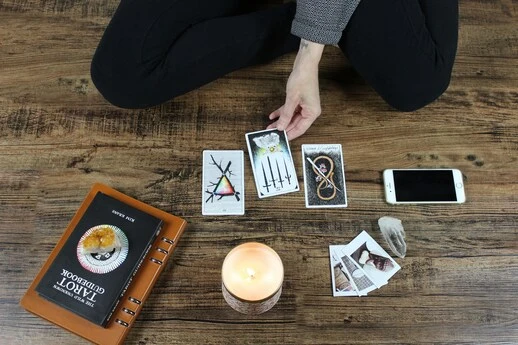
Learning about the four classic elements (earth, water, fire, air) and basic numerology can deepen your readings. These frameworks add extra layers of meaning and let your interpretations feel more personal and flexible.
Tarot draws on universal archetypes, which explains why one single card can resonate so deeply with different people. Cards like The Fool and The Hermit tap into shared human experiences. Your own reading of the cards carries just as much weight as standard textbook definitions.
As a custom tarot card printer, we’ve noticed a fun link between artwork and interpretation. Many first-time deck creators design cards with extremely intricate details. While those illustrations look stunning on screen, overly busy artwork can make it harder for readers to quickly pick up visual cues during a reading. When designing your own tarot deck, balancing artistic detail and readability is a key consideration before you send your files for printing.
Simple Tarot Spreads for Beginners
You don’t need complex layouts to get meaningful insights. Two beginner-friendly spreads are perfect when you are just starting out.
The three-card spread is the easiest place to start. Draw three cards to represent past, present, and future influences related to your question. Once you build confidence, you can expand this into a six-card version, using two cards for each time frame.
The Celtic Cross is a classic ten-card spread, slightly more advanced. Each position holds a dedicated meaning, delivering rich, layered insights.
Remember, there is no single perfect spread. The links between cards matter far more than how many cards you pull. One single card can deliver powerful insight, while a large spread can offer a broader view. Focus on the quality of the message, not the quantity of cards drawn.
Don’t Fear Challenging Cards
A common myth says tarot predicts fixed outcomes or unavoidable disaster. Tarot cannot lock your fate. It only offers guidance, and your free will shapes your choices and path.
The Death card is widely misunderstood. It does not stand for physical death. Instead, it symbolises transformation, endings and necessary change. Closing one chapter creates room for something new to grow. Many experienced tarot readers count Death among their favourite cards, as it represents growth through transition.
No tarot card is inherently bad. Some cards shine a light on tough life lessons, yet they still offer meaningful guidance to reflect on. Tarot is simply a tool, how you use it defines what you gain from it.
If you are an artist, designer or creator ready to turn your custom tarot artwork into a physical deck, we print custom tarot cards with premium cardstock, vivid printing and bespoke packaging to bring your unique vision to life.