
What’s the Difference Between Tarot Cards and Oracle Cards
Many people new to divination lump tarot and oracle decks together. At first sight, both are beautifully‑illustrated card sets used for spiritual guidance and self‑reflection. However, tarot cards and oracle cards follow very different rules, structures, and reading styles. If you plan to design and print your own custom divination deck, understanding these key distinctions is critical for your project planning.
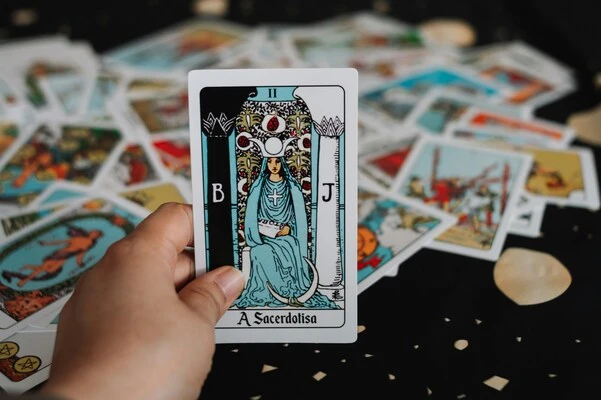
What Is a Tarot Deck?
Traditional tarot follows a strict fixed structure of 78 cards. It is split into 22 Major Arcana, ranging from The Fool through The World, alongside 56 Minor Arcana divided into four classic suits: Pentacles (Coins), Swords, Wands, and Cups.
Each suit holds numbered cards from Ace through 10, plus court cards: Pages (or Princesses), Knights (or Knaves), Queens, and Kings.
Within this framework, artists still have plenty of creative freedom. Creators may rename individual cards — for instance, re‑branding The Fool as The Seeker. Elemental correspondences can shift; some decks pair Swords with Fire and Wands with Air. Suit names and imagery can also get reimagined, such as swapping Cups for Hearts.
Even with heavy artistic tweaks, as long as the deck retains this foundational 78‑card layout, it still qualifies as a tarot deck. Tarot readings can work beautifully even without a formal question from the seeker, delivering layered, nuanced insight for complex life situations. For creators, this means your custom tarot print project will usually require planning for the full 78‑card set.
What Is an Oracle Deck?
Oracle decks operate with far more flexible rules. There is no universal template. The total card count and internal structure are fully decided by the deck’s author and illustrator.
For example, Sonia Choquette’s Trust Your Vibes Oracle contains 52 cards. The Heart of the Faerie Oracle runs 68 cards, featuring evocative titles such as The Dreaming, The Queen of Bedlam, and The Temptation. While an oracle deck can have its own internal logic, its structure is decidedly more forgiving than tarot.
Nearly all oracle decks rely heavily on a companion guidebook. Without the creator’s written context, it can be difficult to interpret unique imagery and symbolism on the fly. Learning one oracle set does not mean you will instantly understand another entirely different oracle deck. For designers, this flexibility is a huge advantage: you can pick any card quantity, dimensions, and themes when you prepare for custom deck printing.
Click here to learn more our tarot cards and oracle cards…
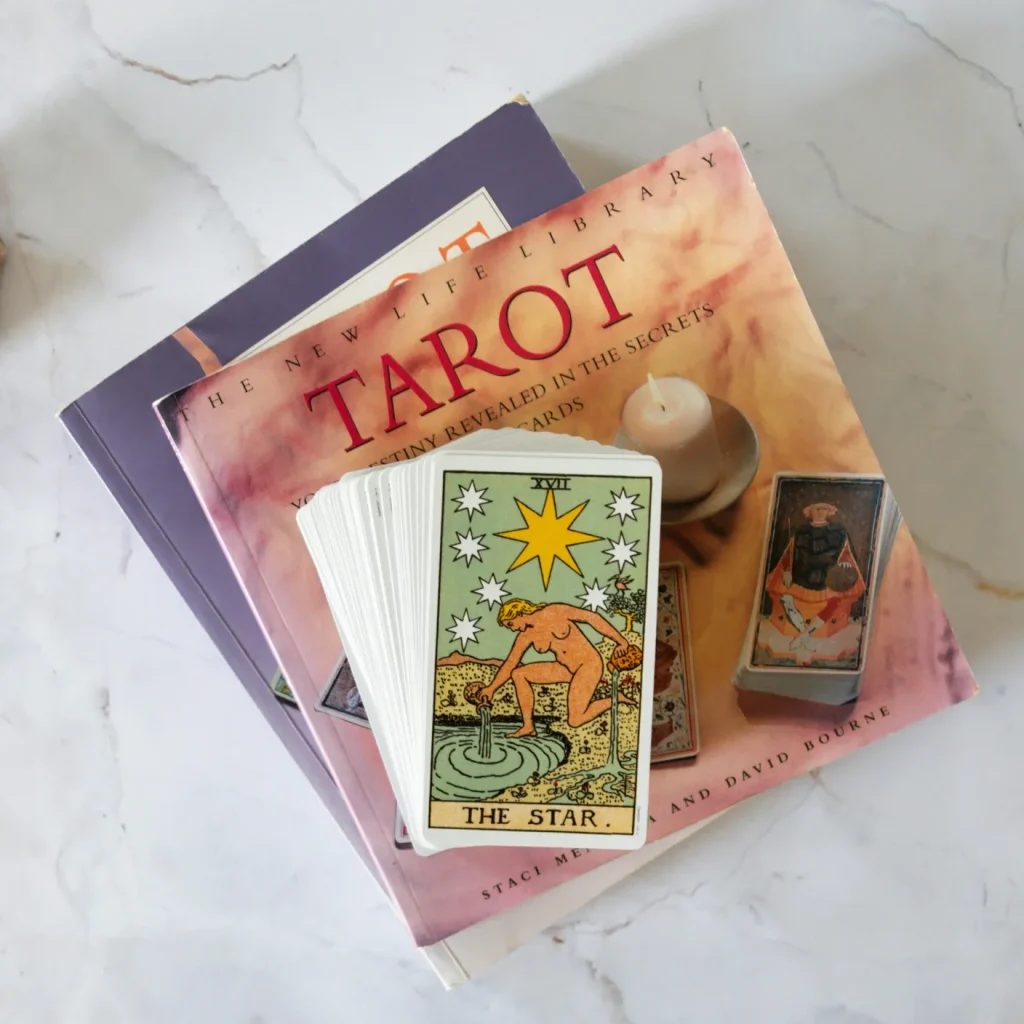
Tarot Cards & Oracle Cards
Specialized in crafting premium tarot and oracle decks for spiritual creators.
Core Practical Differences for Readers & Creators
| Deck Type | Fixed Card Count | Standard Structure | Best‑Known Trait |
|---|---|---|---|
| Tarot | 78 | Major / Minor Arcana, four suits | Deep layered readings, shared global symbolism |
| Oracle | Fully custom | Creator‑defined | Unlimited creative flexibility, requires guidebook |
Many artists and readers work with multiple deck styles at once. None of these systems is inherently superior; each serves different intuitive goals.
Understanding these differences is critical before you start your layout work. Whether you are designing a traditional tarot set, a free‑form oracle, angel cards or Lenormand, custom printing supports small‑batch prototypes all the way up to large Kickstarter‑scale production runs.
1. Reading experience
Tarot readings tend to offer layered, nuanced insights. You can ask complex, open‑ended questions and unpack multiple layers of context. Tarot can work even without a clearly defined question from the seeker.
Oracle cards often spark further reflection and bring up new questions. They deliver more direct, theme‑focused messages, great for quick daily guidance. Each oracle deck speaks its own unique creative voice.

2. For independent creators (printing perspective)
This matters greatly when you are designing a custom deck for printing:
- When creating a tarot deck: you will normally plan for the full 78‑card layout, following the classic arcana structure.
- When creating an oracle deck: you have full creative freedom to choose your exact card count, size, and themes, with no mandatory template to follow.
Whether you are designing a tarot or oracle project, custom printing supports both formats, from small‑batch prototype runs to large‑scale Kickstarter production.
Are There Other Popular Divination Decks?
You may also come across Lenormand and Angel decks within the divination card space.
- Lenormand decks: Typically 36‑card sets read in combinations, delivering very literal, specific answers to practical questions.
- Angel decks: A subset of oracle decks, usually focused on hopeful, comforting angel‑centered messages.
Many readers enjoy mixing multiple deck types in their practice. Tarot, oracle, Lenormand and angel decks are all valid tools — none is inherently “better” than the others.
Final Thoughts
The biggest dividing line is structure: tarot builds upon a centuries‑old shared system, while oracle decks are fully custom‑built from scratch by each artist.
If you are an illustrator or creator preparing to bring your own tarot or oracle deck to life, understanding these differences helps you finalize your artwork scope, card count, and printing specifications.
Ready to print your custom tarot or oracle deck? Reach out for a tailored quotation for your card‑printing project.